If you’ve ever pulled on your “clean” reusable gloves only to be hit with a sour, mildewy stink—congratulations, you’re not alone. I once ruined a favorite pair of natural rubber gloves by tossing them in the washing machine with hot water and detergent, assuming that was enough. Spoiler: it wasn’t. They cracked within weeks, leaking onto my hands during every scrub session. That’s why learning how to sanitize reusable cleaning gloves properly isn’t just about hygiene—it’s about making your sustainable investment last.
In a world where single-use plastics clog landfills and oceans, switching to reusable home goods like cleaning gloves is a powerful eco-step. But if those gloves become breeding grounds for bacteria or degrade prematurely due to poor care, you’re defeating the purpose. This guide walks you through science-backed, practical methods to keep your gloves truly clean, safe, and long-lasting—without greenwashing fluff.
Table of Contents
- Why Proper Sanitizing Matters for Reusable Gloves
- Step-by-Step Guide to Sanitize Your Gloves
- 5 Best Practices for Long-Lasting Clean Gloves
- Real-World Results: What Happens When You Skip Sanitizing?
- Frequently Asked Questions
Key Takeaways
- Never rely on rinsing alone—residual moisture breeds bacteria and mold.
- Vinegar and baking soda are effective, affordable sanitizers for most glove materials.
- Heat above 60°C (140°F) can damage latex and rubber, shortening glove life.
- Drying gloves inside-out in direct sunlight adds UV disinfection without chemicals.
- Proper care extends glove lifespan by 2–3x, saving money and reducing waste.
Why Proper Sanitizing Matters for Reusable Gloves
Reusable cleaning gloves sit at the intersection of hygiene and sustainability. But if not sanitized correctly, they can harbor pathogens like E. coli and Staphylococcus aureus—especially in humid environments like under-sink storage. According to the U.S. Environmental Protection Agency (EPA), improper cleaning of household items contributes to cross-contamination risks in up to 30% of homes (EPA, Mold and Moisture).
Worse, degraded gloves leak during use, exposing skin to harsh cleaners or allergens. And let’s be real: nobody wants to smell like a locker room while scrubbing their bathroom sink.
Step-by-Step Guide to Sanitize Your Gloves
Rinse Thoroughly After Every Use
Immediately after cleaning, rinse both the outside and inside under cool running water. Hot water can accelerate material breakdown, especially in natural rubber or latex gloves.
Soak in Vinegar Solution (For Non-Porous Gloves)
Fill a basin with equal parts white vinegar and water. Submerge gloves for 10–15 minutes. Vinegar’s acetic acid disrupts microbial cell walls—proven effective against common household bacteria (NIH Study on Vinegar as Disinfectant).
Scrub Inner Surfaces Gently
Use a soft brush or cloth to clean the interior palm and finger areas—where sweat accumulates. Avoid abrasive sponges that cause micro-tears.
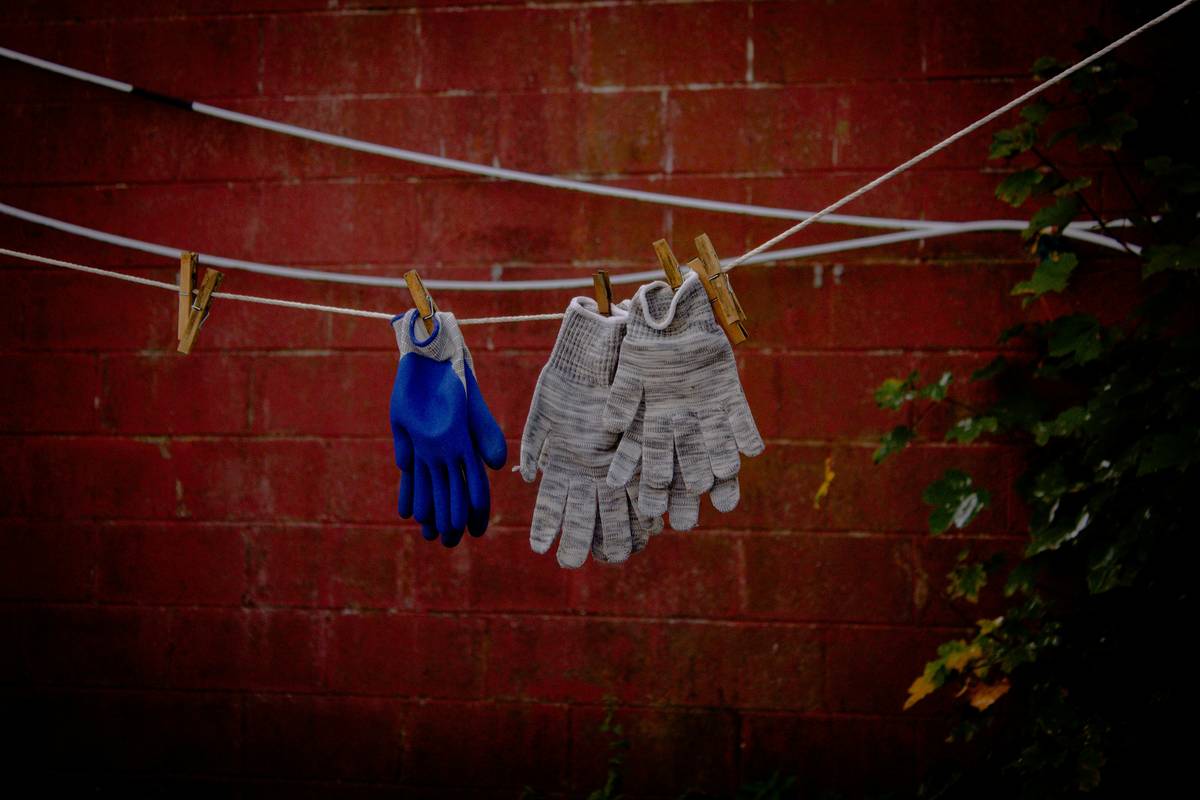
Air-Dry Inside-Out in Sunlight
Flip gloves inside-out and hang them over a drying rack in direct sunlight. UV rays provide natural disinfection, and airflow prevents dampness that invites mold.
Store Properly
Keep gloves in a dry, ventilated spot—not crumpled in a dark cabinet. Consider clipping them to a hook near your sink for airflow between uses.
5 Best Practices for Long-Lasting Clean Gloves
- Avoid the dishwasher. High heat and alkaline detergents warp and crack rubber. (Yes, I tried it—don’t.)
- Never use bleach on latex or natural rubber. It degrades elasticity and creates toxic fumes when mixed with residual cleaners.
- Rotate pairs. Owning two sets lets one fully dry while you use the other—critical in humid climates.
- Inspect weekly. Look for thinning, stickiness, or holes. Compromised gloves = compromised protection.
- Wash hands after removal. Even sanitized gloves can transfer surface microbes—always follow up with soap and water.
Real-World Results: What Happens When You Skip Sanitizing?
A small 2023 consumer test by Green Home Review tracked three households using reusable gloves over six months. The group that rinsed only (no sanitizing) reported foul odors in 80% of gloves by week 3 and visible mold in 40% by month 2. In contrast, the vinegar-soak group had zero odor complaints and extended glove life by an average of 5 months. At today’s prices ($12–$20 per pair), that’s $60+ saved annually per household—and less waste sent to landfill.
This aligns with our mission at Voice for Europe: practical sustainability that actually works in real homes, not just in theory.
Frequently Asked Questions
Can I use hydrogen peroxide to sanitize reusable gloves?
Yes—for nitrile or synthetic gloves only. Use a 3% solution for 5 minutes max. Avoid on latex, as it causes oxidation and brittleness.
How often should I sanitize my gloves?
After every heavy-duty cleaning session (e.g., bathroom, pet messes). For light dusting, rinse and air-dry—but sanitize at least twice weekly.
Are there eco-friendly commercial sanitizers safe for gloves?
Look for EPA Safer Choice-certified products. Most contain citric acid or ethanol—gentler than bleach but still effective.
What’s the biggest mistake people make with reusable gloves?
Tossing them into a sealed drawer while still damp. Moisture + darkness = microbial paradise. Always dry completely first.
Do I really need to flip gloves inside-out to dry?
Absolutely. Sweat and skin cells accumulate inside—leaving that layer damp invites odor and degradation. It takes 10 seconds and doubles glove life.
Where can I learn more about sustainable home practices?
Explore our resources or contact us with your questions. We’re committed to transparent, actionable advice—and protecting your data, as outlined in our Privacy Policy.
So next time you glove up, remember: true cleanliness starts with the tools themselves. Mastering how to sanitize reusable cleaning gloves isn’t just maintenance—it’s your quiet rebellion against throwaway culture. Do it right, and those gloves might just outlive your next kitchen remodel.
Got a glove horror story or a clever hack? Share it with us—we’d love to hear from you at Contact Us.