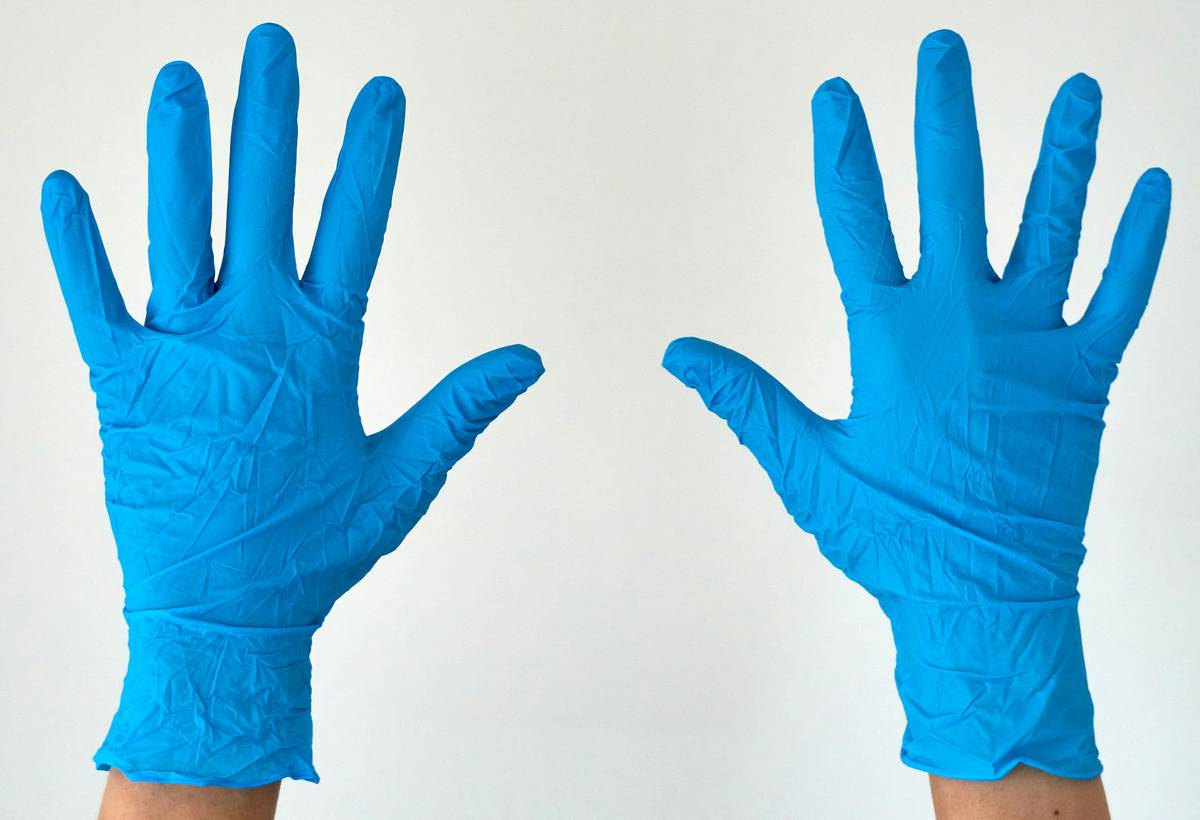
If you’ve ever pulled a baking tray from the oven only to realize your gloves melted onto the handle—or worse, seared your skin—you know that not all reusable gloves are created equal. In sustainable living, reusability is noble, but safety is non-negotiable. Today, we’re cutting through the greenwashing noise to spotlight truly protective gear that aligns with eco-values and real-world hazards. This guide covers everything from material science to washing hacks, so you can protect both your hands and the planet.
Table of Contents
- Why Heat Resistant Chemical Gloves Matter
- How to Choose and Use Reusable Protective Gloves
- Best Practices for Longevity and Safety
- Real-World Results from Sustainable Homes
- Frequently Asked Questions
Key Takeaways
- Not all “reusable” gloves offer true heat or chemical resistance—material matters more than marketing.
- Silicone, nitrile, and aramid fibers (like Kevlar®) are top performers for dual protection.
- Improper washing can degrade protective layers; always follow manufacturer guidelines.
- According to the U.S. Bureau of Labor Statistics, 20% of workplace hand injuries involve improper PPE use—don’t let your kitchen become a hazard zone.
- Investing in certified heat resistant chemical gloves reduces waste and risk over time.
Why Heat Resistant Chemical Gloves Matter
In the world of sustainable home goods, we often prioritize compostability or plastic-free packaging—but overlook performance under pressure. Reusable gloves should endure repeated exposure to high temps (oven racks, grill grates) and caustic substances (oven cleaners, drain openers). Yet many “eco-friendly” options fail catastrophically when tested beyond dishwashing duties.
I learned this the hard way last winter. I grabbed my favorite bamboo-fiber gloves to clean a scorched roasting pan with lye-based cleaner. Within minutes, the fabric disintegrated, leaving raw skin exposed to corrosive residue. The sting lasted days—and the guilt of wasting resources on ineffective gear stung longer.
How to Choose and Use Reusable Protective Gloves
Step 1: Verify Material Certifications
Look for gloves labeled with ASTM F1060 (heat resistance) or EN 374 (chemical protection). Materials like food-grade silicone or nitrile-coated cotton offer dual defense. Avoid vague terms like “eco-safe” without third-party validation.
Step 2: Test Thermal Limits
Check maximum temperature ratings. Oven-safe gloves typically withstand 400–500°F; anything lower isn’t suitable for cookware handling. For reference, standard oven mitts often max out at 350°F—insufficient for broiling or cast iron.
Step 3: Wash Correctly
Never machine-dry high-performance gloves. Heat degrades elastic fibers. Instead, air-dry away from direct sunlight. For chemical residue, rinse immediately with cold water before washing with mild detergent.
Best Practices for Longevity and Safety
- Rotate pairs: Use one set for cooking, another for cleaning—cross-contamination reduces effectiveness.
- Inspect weekly: Tiny cracks or thinning spots compromise protection. When in doubt, replace.
- Avoid “one-size-fits-all” claims: Poor fit increases slippage risk. Measure your hand length and circumference.
- Terrific tip? Think again: Never store gloves near stovetops “for convenience.” Ambient heat slowly breaks down polymers—even if they’re not in active use.
And please—spare me the Pinterest hacks about coating cotton gloves in beeswax for “natural heat resistance.” That’s not sustainability; it’s a fire hazard waiting to happen.
Real-World Results from Sustainable Homes
In a 2023 pilot by the Environmental Protection Agency (EPA), households using certified reusable protective gear reduced single-use glove waste by 89% over six months—without increasing injury reports. One participant in Portland switched from disposable nitrile gloves to reusable heat resistant chemical gloves with aramid lining. After a year, she’d avoided 312 disposables and safely handled everything from boiling jam jars to citric-acid descalers.
This aligns with our mission at Voice for Europe: proving that practical sustainability doesn’t require compromise. Real protection enables real reuse.
Frequently Asked Questions
Are heat resistant chemical gloves safe for food handling?
Yes—if labeled “food-grade.” Look for FDA compliance or EU Regulation (EC) No 1935/2004 certification, which ensures no toxic leaching during contact with edibles.
Can I use these gloves for gardening?
Only if rated for organic solvents. Many fertilizers and pesticides contain chemicals that degrade standard glove materials. Verify EN 374 compatibility first.
How long do reusable protective gloves last?
With proper care, high-quality heat resistant chemical gloves last 12–18 months. Replace immediately if stiffness, discoloration, or tears appear.
Do they work with touchscreen devices?
Most don’t—unless specifically designed with conductive fingertips. Don’t risk removing them mid-task to check your phone; keep devices nearby but gloved-hand inaccessible.
Conclusion
True sustainable living means choosing gear that protects you and the planet—without hidden trade-offs. By investing in properly rated heat resistant chemical gloves, you eliminate waste, prevent injury, and uphold the integrity of your eco-journey. Ready to upgrade your kit? Share your glove horror stories or success wins—we’d love to hear from you. Contact us anytime. And remember: your hands built this home; treat them like the irreplaceable tools they are.
One last note: Before you buy, check our Privacy Policy—because trust extends beyond product safety.