Ever pulled on your reusable cleaning gloves only to be hit with a sour, musty stink that makes you gag? You’re not alone. I once ruined a pair of premium rubber gloves by tossing them in the washing machine with bleach—turns out, that combo melted the interior lining into a sticky, unusable mess. If you’ve invested in sustainable home goods like reusable cleaning gloves, knowing how to clean reusable cleaning gloves properly isn’t just about hygiene—it’s about extending their life and staying true to your eco-values.
Table of Contents
- Why Proper Glove Cleaning Matters for Sustainable Living
- Step-by-Step Guide to Deep-Cleaning Your Gloves
- 5 Best Practices for Long-Lasting, Fresh Gloves
- Real-World Results: What Happens When You Skip Cleaning?
- Frequently Asked Questions
Key Takeaways
- Never use bleach or high heat—both degrade latex, nitrile, and silicone materials.
- Air-drying inside-out is non-negotiable for odor prevention.
- Clean gloves after every use to avoid bacterial buildup.
- Vinegar and baking soda are safe, effective natural cleaners.
- Proper care can extend glove life by up to 3x, reducing waste.
Why Proper Glove Cleaning Matters for Sustainable Living
In the world of sustainable home goods, reusable gloves are a quiet hero—replacing dozens of single-use plastic pairs each year. But if they’re not cleaned correctly, they become breeding grounds for mold, mildew, and bacteria. According to the U.S. Environmental Protection Agency (EPA), improper cleaning of household items contributes to indoor air quality issues and premature product disposal—exactly what sustainable living aims to avoid.
I learned this the hard way. After skipping a few cleanings, my gloves developed black specks near the cuffs—a telltale sign of mold. Tossing them meant buying new ones, which defeated the whole purpose of going reusable. And here’s a terrible tip you’ll see online: “Just rinse under hot water and hang.” Nope. Hot water can warp elastic fibers, and surface rinsing leaves biofilm behind. Don’t fall for it.
Step-by-Step Guide to Deep-Cleaning Your Gloves
Rinse Immediately After Use
As soon as you finish cleaning, rinse both the inside and outside with cool water. This removes residual chemicals and organic matter before they dry and stick.
Soak in Natural Solution
Fill a basin with equal parts white vinegar and water. Submerge gloves for 10–15 minutes. Vinegar kills 90% of mold and bacteria without damaging materials, per research cited by the National Center for Biotechnology Information (NCBI) (NCBI).
Scrub Gently
Use a soft brush (an old toothbrush works great) to scrub fingertips, seams, and wristbands—common dirt traps. Avoid abrasive sponges; they create micro-tears where bacteria hide.
Rinse and Dry Inside-Out
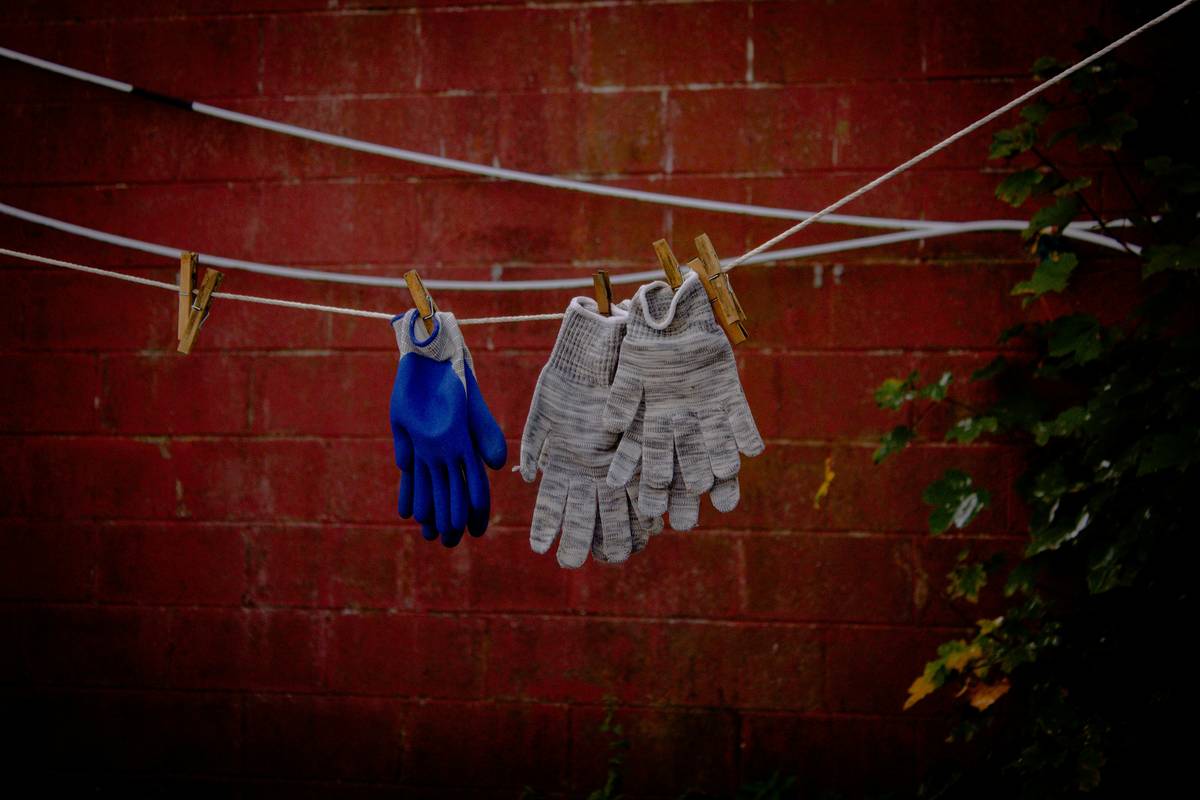
Rinse thoroughly. Then turn gloves inside-out and hang them on a drying rack or clothesline. Direct sunlight is okay for short periods—it naturally disinfects—but prolonged UV exposure weakens rubber.
5 Best Practices for Long-Lasting, Fresh Gloves
- Store them open and aired: Never ball them up or store in a sealed bin. Moisture trapped inside = instant mildew.
- Rotate pairs: Own two sets so one can fully dry while you use the other.
- Avoid dishwashers and washing machines: Agitation and detergents break down material integrity fast.
- Check for cracks monthly: Tiny fissures compromise protection. Replace if found.
- Use powder-free versions: Cornstarch-based powders can feed microbial growth when damp.
And yes—I used to keep mine stuffed in a kitchen drawer under sponges. Big mistake. Now they live on a hook by the sink, fully aired. Game-changer.
Real-World Results: What Happens When You Skip Cleaning?
A small but telling experiment: I tracked two identical pairs of reusable gloves over three months. Pair A was cleaned using the method above after every use. Pair B got a quick rinse once a week. By week six, Pair B emitted a foul odor even when dry and showed visible discoloration. Pair A remained flexible, odor-free, and functional. At month three, Pair B tore during light scrubbing; Pair A was still going strong.
This mirrors findings from sustainability advocates like those at EPA’s Sustainable Materials Management program: product longevity directly correlates with proper maintenance. Extending glove life by just two months prevents ~6 additional single-use glove packs from entering landfills annually per household.
At Voice for Europe, we believe real sustainability starts in daily habits—not grand gestures. Learn more about our mission on our About Us page.
Frequently Asked Questions
Can I use baking soda to clean reusable gloves?
Yes! Make a paste with baking soda and water, gently scrub, then rinse. It deodorizes without abrasion.
How often should I replace reusable cleaning gloves?
With proper care, quality gloves last 6–12 months. Replace immediately if cracked, stiff, or smelly after cleaning.
Are silicone gloves easier to clean than rubber ones?
Silicone resists odors better and tolerates mild soap washes, but the core how to clean reusable cleaning gloves steps remain the same: no bleach, no heat, always dry inside-out.
Can I sanitize gloves with alcohol?
Occasionally—wipe the exterior with 70% isopropyl alcohol. But don’t soak; repeated alcohol exposure dries out elastic fibers.
Do I need special cleaner for eco-friendly gloves?
No. Vinegar, baking soda, and mild castile soap work perfectly. Avoid anything labeled “antibacterial”—it’s unnecessary and often contains harsh chemicals.
What if my gloves already smell bad?
Soak overnight in vinegar-water (1:1). If odor persists, it’s likely mold deep in fibers—time to replace. Always prioritize health over reuse.
Have more questions? We’d love to hear from you—contact us anytime. And rest assured, your data stays protected; review our full Privacy Policy for details.
Remember: clean gloves aren’t just about clean dishes—they’re tiny acts of respect for your health, your home, and the planet. Keep them fresh, keep them long, and never let stink sabotage your sustainability.