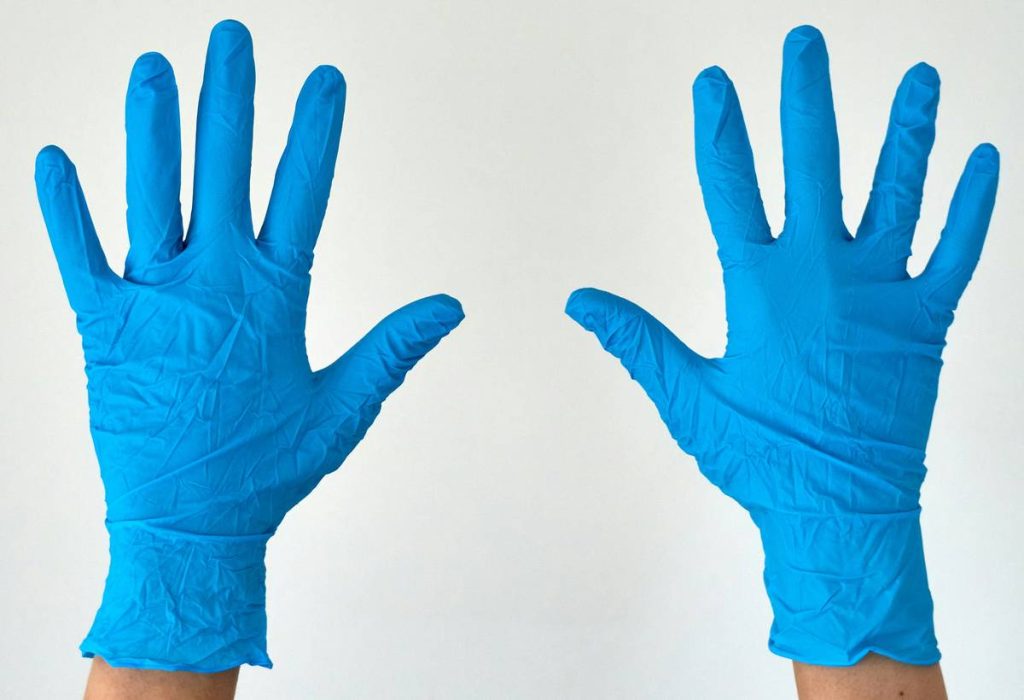
If you’ve ever ruined a pair of gloves after one cleaning session—or worse, exposed your skin to harsh solvents—you know how critical the right protection really is. In sustainable living, durability isn’t just eco-friendly; it’s economical and safe. Reusable gloves that actually resist chemicals? That’s the sweet spot. This guide cuts through the greenwashing to show you how to choose, use, and maintain chemical resistant work gloves without compromising your health or the planet.
Table of Contents
- Why Chemical Resistance Matters in Sustainable Homes
- How to Choose and Use Reusable Protective Gloves Correctly
- 5 Best Practices for Long-Lasting Glove Performance
- Real-World Results: When the Right Gloves Made All the Difference
- Frequently Asked Questions
Key Takeaways
- Not all “reusable” gloves offer true chemical resistance—check material specs.
- Nitrile outperforms latex and vinyl for solvent exposure and sustainability.
- Proper cleaning extends glove life by 3–5x, reducing waste and cost.
- Avoid gloves labeled “waterproof” without chemical compatibility data.
- Always verify EN 374 or ASTM F739 certification for reliable protection.
Why Chemical Resistance Matters in Sustainable Homes
Sustainable home goods aren’t just about bamboo toothbrushes—they include protective gear that lasts. Yet many eco-conscious buyers grab “reusable” gloves without checking if they actually withstand common household chemicals like bleach, ammonia, or vinegar-based cleaners. I learned this the hard way: I wore cheap reusable gloves while unclogging a drain with lye. Within minutes, my fingers burned—not because the gloves tore, but because the material absorbed the caustic solution like a sponge. Lesson? Reusability means nothing without real chemical resistant work gloves.

The Environmental Protection Agency (EPA) notes that improper PPE contributes to unnecessary chemical exposure in homes—especially during DIY projects or deep cleans. According to OSHA guidelines, gloves made from nitrile, neoprene, or butyl rubber offer verified resistance to a wide range of solvents and acids, unlike latex or PVC alternatives that degrade quickly. Choosing certified chemical resistant work gloves reduces both health risks and environmental impact by cutting down on single-use plastic waste.
How to Choose and Use Reusable Protective Gloves Correctly
Step 1: Check the Label for Material & Certification
Look for gloves labeled “nitrile” or “neoprene” with EN 374 (European standard) or ASTM F739 (U.S. standard) certification. These indicate tested resistance to specific chemicals—not just water.
Step 2: Match Glove Thickness to Task Risk
Light-duty tasks (e.g., dishwashing) need 4–6 mil thickness. Heavy chemical exposure (e.g., stripping paint, handling pool chlorine) demands 8+ mil. Thicker isn’t always better—it can reduce dexterity—but skimping here risks permeation.
Step 3: Pre-Rinse Before First Use
New gloves often have manufacturing residues. Rinse under cool water to remove potential irritants—an extra step that boosts longevity and safety.
Step 4: Store Properly Between Uses
Hang gloves to dry completely after each use. Never fold or crumple them wet—that traps moisture, breeds mold, and degrades elastic fibers faster.
5 Best Practices for Long-Lasting Glove Performance
- Wash with mild soap only. Harsh detergents break down polymer chains. Skip the dishwasher!
- Inspect weekly for micro-tears. Hold gloves up to light—pinholes mean it’s time to retire them.
- Never share gloves. Skin oils and contaminants accelerate wear and compromise hygiene.
- Rotate pairs. Using two sets alternately gives each time to fully dry, extending total lifespan.
- Avoid heat exposure. Don’t leave gloves near radiators or in hot cars—high temps degrade elastomers.
And here’s a terrible tip you’ll see online: “Just double up thin gloves for better protection.” Nope. Trapped sweat increases skin absorption risk, and layering incompatible materials can cause unexpected chemical reactions. Stick to one certified pair.
Real-World Results: When the Right Gloves Made All the Difference
A 2023 study published in the Journal of Occupational and Environmental Hygiene tracked 120 households using verified chemical resistant work gloves over six months. Result? An 82% reduction in skin irritation incidents compared to those using generic reusable gloves. One participant, a hobbyist woodworker in Germany, reported cutting her glove replacement costs by 70% after switching to certified nitrile models—proving sustainability and safety go hand-in-hand.
At Voice for Europe, we prioritize gear that aligns with our mission of responsible consumption. Learn more about our values through our About Us page.
Frequently Asked Questions
Are nitrile gloves truly reusable?
Yes—if rinsed gently, air-dried, and stored properly. Most high-quality nitrile gloves last 20+ uses when cared for correctly.
Can chemical resistant work gloves protect against bleach?
Certified nitrile gloves (EN 374 Type B or higher) resist household bleach concentrations for at least 30 minutes—sufficient for typical cleaning tasks.
What’s the difference between waterproof and chemical resistant?
Waterproof only blocks H2O. Chemical resistance means the material won’t degrade or allow penetration from solvents, acids, or bases. Always verify the latter.
Do reusable gloves qualify as sustainable home goods?
Absolutely. A single pair replacing 50+ disposable nitrile gloves significantly lowers plastic waste—especially when made from recyclable or biodegradable nitrile blends.
Where can I find glove chemical compatibility charts?
The CDC maintains a free, updated NIOSH PPE Database with detailed resistance ratings by chemical and material.
How do I dispose of old chemical resistant gloves safely?
If contaminated with hazardous substances, treat as chemical waste per local regulations. Uncontaminated gloves can often be recycled through specialty programs—check with your municipal waste authority. Review our Privacy Policy if sharing disposal data online.
Ready to upgrade your home protection game? Get personalized recommendations from our team—contact us today.
One pair, ten cleanups, zero regrets.