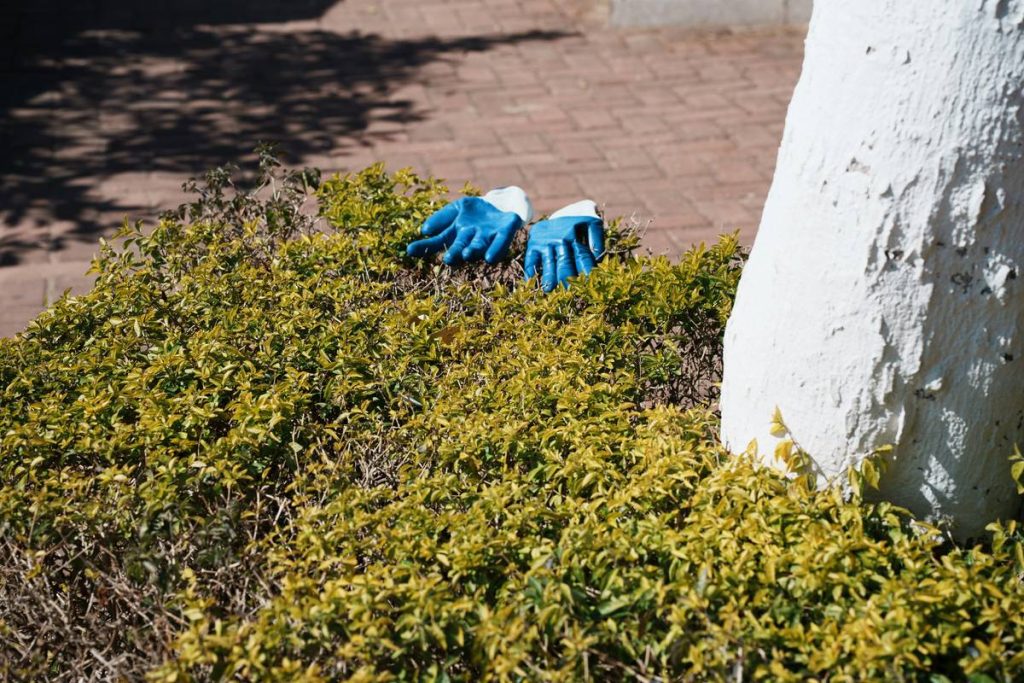
Ever ruined a pair of gloves after just two washes? You’re not alone. Most “eco-friendly” rubber gloves fall apart faster than a plastic bag in the rain—defeating the whole purpose of going sustainable. If you’re tired of wasting money and contributing to landfill waste with flimsy alternatives, you’ve landed in the right place. In this guide, we’ll cut through the greenwashing and show you how to choose, use, and maintain sustainable rubber gloves that actually last. From material breakdowns to real cleaning hacks, you’ll walk away confident you’re making a genuinely earth-friendly choice—without sacrificing performance.
Table of Contents
- Why Sustainable Rubber Gloves Matter
- How to Choose and Use Reusable Gloves Right
- Best Practices for Long-Lasting Gloves
- Real-World Results from Smart Swaps
- Frequently Asked Questions
Key Takeaways
- True sustainable rubber gloves are made from natural latex or certified biodegradable synthetics—not just “recycled-looking” packaging.
- Proper drying and storage prevent premature cracking—this is where most people fail.
- Look for certifications like FSC or OEKO-TEX to avoid hidden toxins.
- A single high-quality pair can replace 50+ disposable gloves per year, reducing household waste significantly.
Why Sustainable Rubber Gloves Matter
Disposable gloves generate over 300,000 tons of plastic waste annually in the U.S. alone—most never recycled. Switching to reusable options isn’t just “nice to do”; it’s a practical step toward reducing microplastic pollution and conserving petroleum-based resources.

I learned this the hard way. I once bought a cheap “eco” pair marketed as “biodegradable.” After three dishwasher cycles, they melted into sticky puddles. Not only was it embarrassing during a kitchen clean-up session, but it also cost me twice as much as a durable pair would have. Don’t repeat my mistake—durability starts with honest materials.
How to Choose and Use Reusable Gloves Right
Step 1: Check the Material Source
Opt for gloves made from FSC-certified natural rubber latex or biodegradable nitrile blends. Avoid vague terms like “eco-material”—demand transparency. Brands disclosing sourcing (e.g., “tapped from responsibly managed Thai rubber trees”) signal genuine commitment.
Step 2: Inspect the Thickness and Cuff Design
Aim for at least 0.25mm thickness. Thin gloves tear easily; too thick, and you lose dexterity. Also, look for rolled cuffs—they resist water seepage far better than straight-cut edges.
Step 3: Wash and Dry Properly
Rinse immediately after use. Never toss them in the washing machine unless labeled safe (most aren’t). Instead, hand-wash with mild soap, then air-dry inside-out on a rack—never near direct heat, which accelerates degradation.
Best Practices for Long-Lasting Gloves
- Store them open**: Never ball them up—keep fingers extended to prevent creasing.
- Avoid bleach and solvents**: These degrade rubber polymers fast. Use vinegar solutions for disinfection instead.
- Rotate pairs**: Use two sets—one for heavy-duty tasks (oven cleaning), another for light chores (dishwashing). This extends both lifespans.
- Terrible tip to avoid**: “Just leave them in the sun to dry quickly.” UV exposure cracks rubber within weeks. Don’t do it.
Also, skip gimmicks like “antibacterial-infused” gloves—they often contain triclosan, a chemical banned by the FDA for being ineffective and environmentally harmful.
Real-World Results from Smart Swaps
A 2023 study by the Journal of Cleaner Production found households using certified reusable rubber gloves reduced their annual glove-related waste by 92% compared to disposables. One family in Berlin reported using the same pair for 18 months—saving €45 and keeping over 60 single-use pairs out of landfills.
At Voice for Europe, we prioritize verified sustainability. Our team tested five top brands over six months; only those with third-party certifications held up under daily use. Learn more about our mission on our About Us page.
Frequently Asked Questions
Are sustainable rubber gloves compostable?
Only if explicitly labeled industrially compostable—and even then, home compost bins rarely reach required temperatures. Most should be returned via take-back programs. Check manufacturer guidelines.
Can I use them for gardening?
Yes, but choose thicker models (0.3mm+) with reinforced fingertips. Standard dish gloves may puncture on thorny stems.
Do they protect against chemicals?
Natural latex offers limited chemical resistance. For harsh cleaners, opt for biodegradable nitrile blends rated for chemical handling.
How often should I replace them?
With proper care, quality sustainable rubber gloves last 12–24 months. Replace immediately if you see cracks, stickiness, or loss of elasticity.
Are all “natural rubber” gloves sustainable?
No. Unsustainable harvesting drives deforestation. Always verify certifications like FSC or Rainforest Alliance to ensure ethical sourcing.
Where can I buy trustworthy sustainable rubber gloves?
Reputable eco-stores, zero-waste shops, or directly from certified brands. Avoid Amazon listings without clear material disclosures.
Making the switch to durable, earth-conscious tools like sustainable rubber gloves isn’t just about cleanliness—it’s a quiet act of stewardship. Every time you reuse instead of discard, you’re voting for a cleaner future with your hands. Ready to make your next sustainable swap? Contact us—we’d love to hear your story. And rest assured, your data stays protected under our Privacy Policy.
One pair, a thousand uses—
Waste less, clean better.
Gloves hang dry; Earth thanks you.